- What Is a CNC Machine Shop?
- How CNC Machining Works
- What Equipment to Expect at a Reputable CNC Machine Shop
- How to Identify a Reputable CNC Machine Shop
- Industries That Rely on CNC Machining
- Why New Jersey Is a Hub for Precision CNC Manufacturing
- Choosing the Right Manufacturing Partner in New Jersey
- Frequently Asked Questions
Key Takeaways
- A CNC machine shop uses computer-controlled tools to manufacture precision parts for aerospace, defense, and other industries.
- The right shop should have multi-axis machines, verified certifications, and a strong track record with clients in your industry.
- NAMF has served military and aerospace clients from its New Jersey facility since 1979.
Computer Numerical Control (CNC) machining has its roots in World War II, when machinists started using numerical control to craft replacement aerospace parts. Since then, it has become one of the most precise and reliable manufacturing methods in the world. If you are looking for a CNC machine shop in New Jersey for defense, aerospace, or industrial work, knowing what to look for is just as important as finding one.
This guide breaks down what CNC machining is, what a reputable shop looks like, and which industries depend on it most.
What Is a CNC Machine Shop?
A CNC machine shop is a production facility where computer-controlled machines manufacture custom parts and assemblies. It is not a place to buy CNC equipment. These shops serve various industries by using their machinery to produce components built to customer specifications.
Shops vary in size. Smaller ones tend to specialize in a niche, offering tighter expertise in a specific sector. Larger shops can support more services, including dedicated research and development and full prototyping capabilities. Size does not determine quality, but it often reflects the range of services available.
If you are not sure whether a shop can handle your project, contact them directly. A reputable machinist will assess your requirements honestly and provide realistic expectations on timeline and cost.
How CNC Machining Works
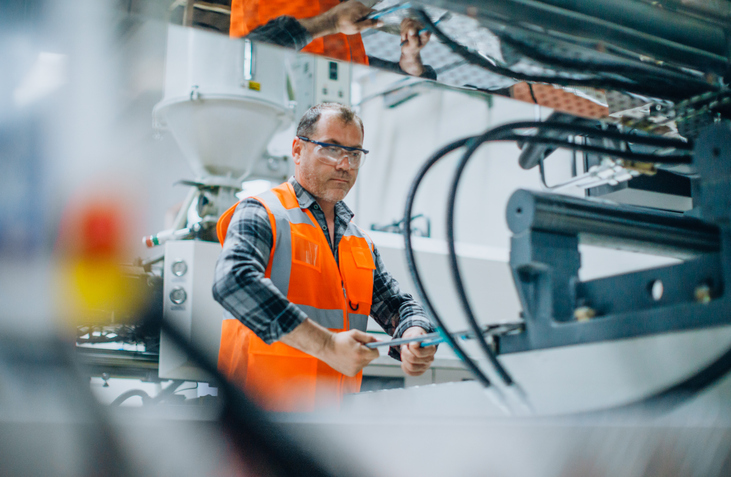
CNC machining refers to any process where computer-controlled machine tools fabricate products. Even 3D printing falls under this category, though it remains impractical for most defense and aerospace applications today.
Two core technologies power the process.
Computer-Aided Design (CAD) creates precise 3D geometry in digital space. Before CAD, human error in the design stage often limited what machines could produce. Today, the software generates exact blueprints down to the finest detail.
Computer-Aided Manufacturing (CAM) converts those CAD designs into instructions the machine follows. Once the programming is set, the machine executes without human involvement, removing a key source of error from production.
This combination of precision and automation has expanded what manufacturing can achieve. The medical sector now uses CNC to build surgical tools. In aerospace, it enables rapid prototyping at competitive costs. For high-stakes CNC manufacturing where thousands of identical parts must meet the same exact tolerances every time, CNC is the industry standard.
What Equipment to Expect at a Reputable CNC Machine Shop
The machinery inside a shop tells you a great deal about what it can produce. At minimum, a reputable CNC machine shop should have a multi-axis CNC milling machine, a CNC lathe, and a grinding machine.
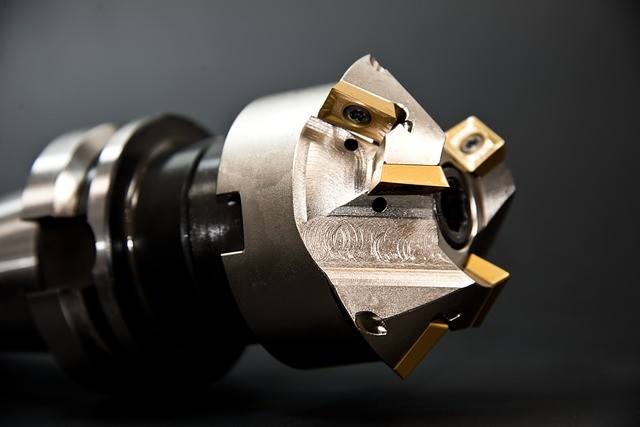
Basic milling machines operate on two axes. More capable shops run three to seven axes, often called machining centers. These multi-axis systems handle complex geometries and tighter tolerances that simpler setups simply cannot achieve.
Turning and milling are the two foundational methods in precision machining. Turning works on rotating workpieces and excels at cylindrical components like shafts and rods. Milling shapes material across multiple faces and handles more complex features like pockets, slots, and threads. Together, they cover a wide range of part types for defense and aerospace work.
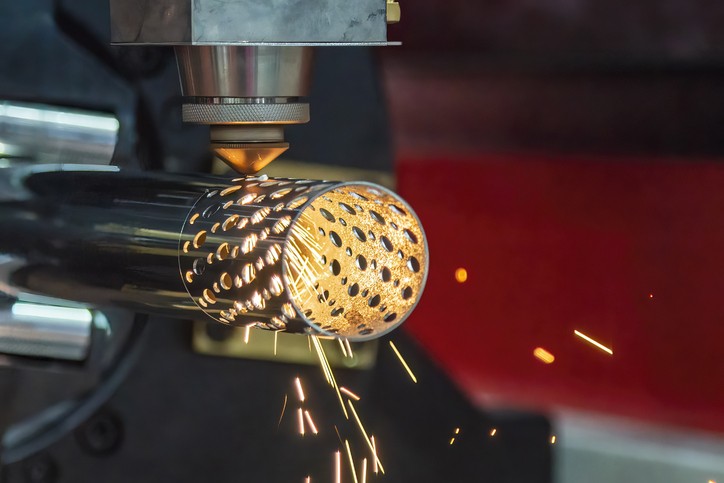
Beyond cutting operations, many full-service shops also offer precision laser cutting using fiber-optic laser systems capable of cutting aluminum, stainless steel, copper, and brass with high accuracy and minimal material waste. For defense and aerospace clients, this reduces costs while maintaining tight dimensional control throughout production.
For metal forming work, custom sheet metal bending is a core capability. CNC press brakes form precise angles and radii in a range of metals, producing enclosures, chassis, and structural components to exact specifications.
How to Identify a Reputable CNC Machine Shop
Review Their Portfolio
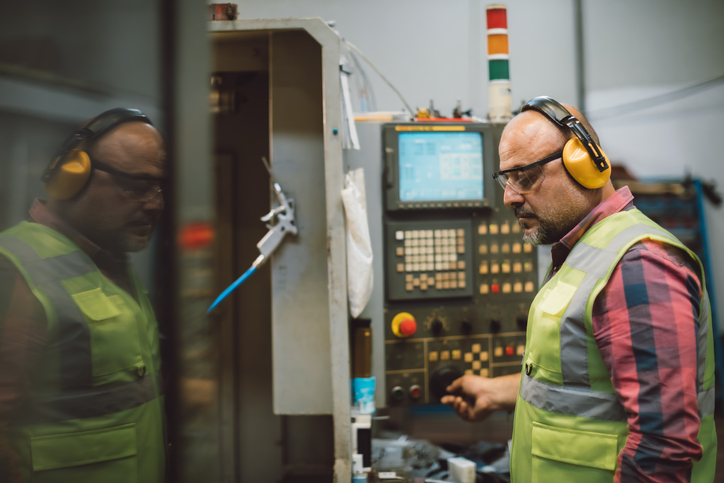
Start with their portfolio. Most reputable shops publish photos or case studies on their website. Reviewing actual work gives you a realistic sense of quality and capability before making contact.
If a shop has no portfolio, weigh that against other factors like years in business, client reviews, and available equipment. Shops that document their work tend to be more transparent and easier to evaluate.
Check Their Certifications
Certifications prove that a shop meets quality standards set by external bodies, not just internal benchmarks. For defense and aerospace manufacturing, look for AS9100, NADCAP, and NAVSEA certifications. These reflect rigorous audits of processes, equipment, and personnel qualifications.
Beyond certification, quality shops conduct regular equipment inspections, follow OSHA safety standards, and maintain documented manufacturing procedures.
Consult Before You Commit
It is okay not to know exactly what your project requires. Expert machinists can consult on your design, recommend the right materials, and flag potential production challenges before work begins. That kind of upfront collaboration saves money and prevents costly errors later.
Industries That Rely on CNC Machining
CNC machining is used across sectors, but it is most critical where failure is not an option.
Military and Defense
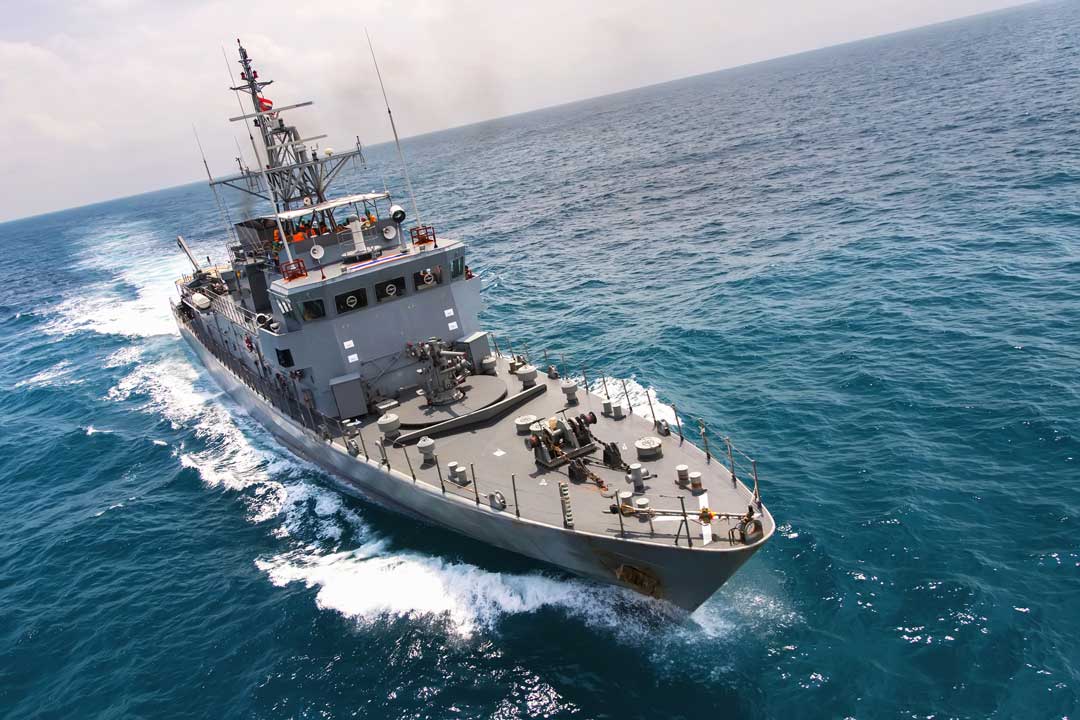
Military machining demands the highest precision available. Tolerances as tight as 0.0005 inches (0.01 mm) are common. A human hair measures roughly 0.003 inches (0.08 mm), which means defense components must be produced to six times that level of accuracy, consistently.
Military CNC applications include weapons systems, armored vehicle components, ruggedized communication enclosures, and electronic housings for tactical use. All of these must meet Mil-Spec standards and pass First Article Inspection before entering full production runs.
The demand for military components is expanding. U.S. defense spending reached $842 billion in 2024, and machined parts are central to meeting that output. Shops that specialize in defense work are positioned to serve this market reliably and long term.
Aerospace
Aerospace manufacturers depend on CNC machining for turbine blades, landing gear, avionics housings, and structural airframe elements. Tolerances are measured in microns. There is no margin for variation on parts that will operate at 30,000 feet under extreme temperature and stress.
CNC also powers rapid prototyping in aerospace R&D, accelerating timelines from design to production and reducing development costs significantly.
Medical
Precision CNC machinery is used to build surgical instruments, implants, and diagnostic equipment. The same qualities that make it ideal for defense work, specifically consistency, accuracy, and repeatability, make it equally valuable for medical manufacturing.
Why New Jersey Is a Hub for Precision CNC Manufacturing
New Jersey has a high concentration of defense-focused manufacturers and sits in close proximity to major prime contractors in the aerospace and defense sectors. That geographic advantage has made it a natural location for precision machining operations.
When evaluating a CNC machine shop in NJ, look beyond machining. Full-service shops add significant value through complementary capabilities. Understanding the types of brazing a shop supports, for example, can determine whether they can handle complex multi-component assemblies for defense programs. Aluminum dip brazing creates hermetically sealed joints that welding cannot replicate for ruggedized enclosures designed to operate in extreme environments.
For assemblies involving copper, zinc-based components, or brass alloys, brass welding services are often required alongside machining. Shops that handle this in-house eliminate the delays and quality risks that come from coordinating multiple vendors across a single project.
NAMF: New Jersey’s Full-Service CNC Machine Shop
New Age Metal Fabricating (NAMF) has been manufacturing precision parts for defense and aerospace clients from Fairfield, New Jersey since 1979. A second facility in Ronkonkoma, NY under New Age Precision Manufacturing (NAPM) provides expanded capacity and operational redundancy for large or time-sensitive programs.
NAMF’s in-house capabilities include:
- 8 vertical and 2 horizontal CNC milling machines with robotically controlled systems
- A 4 kW fiber-optic TruLaser 2030 for precision metal cutting
- CNC press brakes for aluminum, stainless, copper, and brass forming
- Aluminum dip brazing with NADCAP and NAVSEA certifications
- Chemical conversion coating to Mil-Spec Mil-DTL 5541
The company works with materials including 5052 and 6061 aluminum alloys, stainless steel, copper, and brass. Clients include Airbus, Northrop Grumman, GE Aviation, and AstroNova.
The single-source advantage is real. When machining, cutting, welding, brazing, and finishing happen under one roof, you eliminate scheduling delays, communication gaps, and the quality inconsistencies that come from managing multiple suppliers across one component.
Choosing the Right Manufacturing Partner in New Jersey
Finding the right CNC machine shop comes down to a few clear factors: the right equipment, the right certifications, and a team that communicates honestly before production starts.
Begin by reviewing their portfolio and confirming certifications. Ask directly about their experience with your specific material, application, and production volume. Look for shops that offer integrated services so your project stays on track from start to finish.
NAMF has delivered precision components for military and aerospace clients for over 45 years. With AS9100, NADCAP, and NAVSEA certifications and full in-house capabilities across New Jersey and New York, they are built to meet the demands of mission-critical manufacturing.
If precision matters for your next project, the right partner is ready to help.
Get a Quote from a New Jersey CNC Machine Shop You Can Trust
NAMF has served defense and aerospace clients for over 45 years with full-service precision manufacturing from Fairfield, NJ. Machining, brazing, laser cutting, and finishing all under one roof.