Key Takeaways
- Welding is one specific joining process; fabrication is the full system that includes cutting, forming, machining, assembling, and finishing.
- Defense and aerospace manufacturers depend on both processes together to meet strict performance and safety standards.
- The right choice between welding and fabrication depends on your project scope, materials, tolerances, and end-use environment.
If you work in defense, aerospace, or precision industrial manufacturing, you’ve probably heard the terms “welding” and “fabrication” used as if they mean the same thing. They don’t. Understanding the real difference between welding vs fabrication is not just a technical detail. It’s a decision that affects costs, lead times, and whether your final component holds up under real-world conditions.
Both processes are critical in precision manufacturing. But they serve different purposes and require different resources, skills, and infrastructure. This guide breaks down exactly what sets them apart and why that distinction matters for your next project.
What Is Welding vs. Fabrication?
Fabrication is the complete process of turning raw metal into a finished component. It covers every stage: cutting, bending, forming, machining, assembling, and surface finishing. It’s the full production journey from raw material to ready-to-use part.
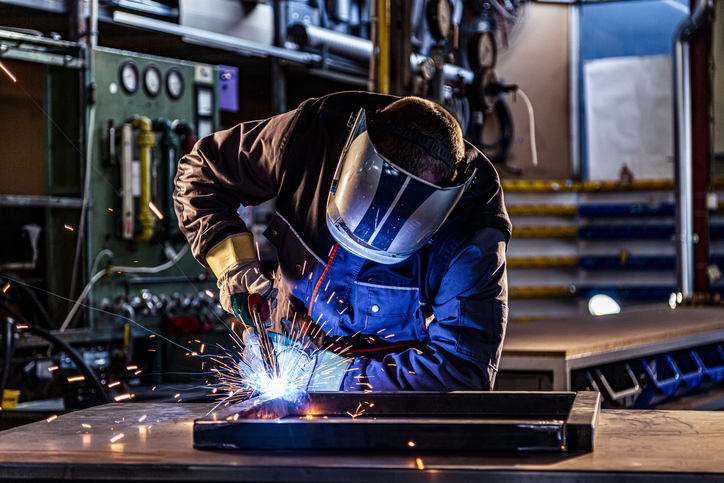
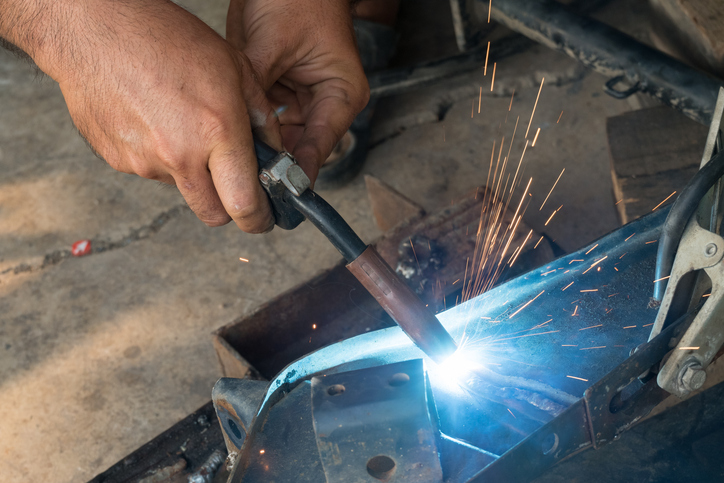
Welding is one step within that process. It’s a joining method that uses heat, pressure, or both to fuse two pieces of metal together. The result is a strong, often permanent bond. But welding is just one of several joining options a fabricator can use.
Here’s the simplest way to put it: welding can be part of fabrication, but fabrication is never limited to welding alone.
Key Differences Between Welding and Fabrication
Scope and Process Hierarchy
Fabrication covers the full production cycle. Welding covers one phase of it. When a project requires cutting, forming, drilling, and joining, that’s fabrication. When the goal is specifically to bond two metal pieces, that’s where welding takes center stage.
A skilled fabricator might use mechanical fastening, brazing, adhesive bonding, or riveting depending on the application. Welding is one option among several, chosen when it best fits the design requirements.
Skill Sets and Specialization
Welders specialize in one or more joining techniques. Becoming a certified MIG, TIG, or stick welder takes focused training and demonstrated hands-on proficiency. Certification through organizations like the American Welding Society (AWS) sets the standard for joint quality and process control.
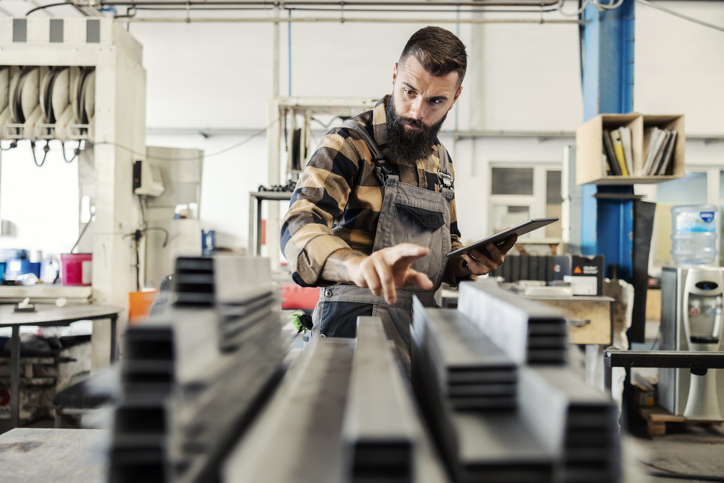
Fabricators work across multiple disciplines. They read and interpret blueprints, operate different machine types, understand material properties, and manage quality throughout the production process. The skill set is broader, even if it doesn’t go as deep in any single joining method.
Equipment and Infrastructure
A welding setup requires specific machines, electrodes, shielding gases, and safety equipment. The infrastructure is specialized but relatively contained.
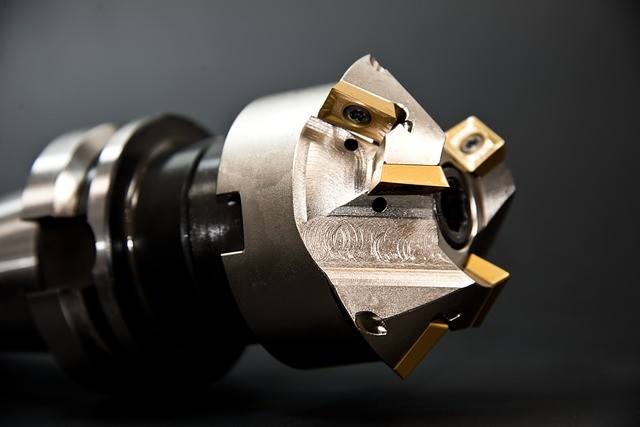
Fabrication facilities need significantly more CNC systems, press brakes, shears, rollers, machining centers, welding stations, and finishing lines. A CNC lathe and milling machine setup alone represents a major capital investment, and that is just one part of a larger fabrication operation with many interdependent capabilities.
Material Flexibility
Welding works best with metals that respond predictably to heat. Some alloys are easier to weld than others, and certain materials require specialized processes or are not suitable for heat-based joining at all.
Fabrication can work with a much wider range of metals, alloys, and composites. Processes like aluminum prototype machining show how fabrication serves rapid development needs across different material types without being confined to joining methods alone. This flexibility makes fabrication the more versatile choice for complex, multi-material assemblies.
Defense and Aerospace Applications
Defense Manufacturing
In defense work, both welding and fabrication are essential. What differs is the role each one plays.
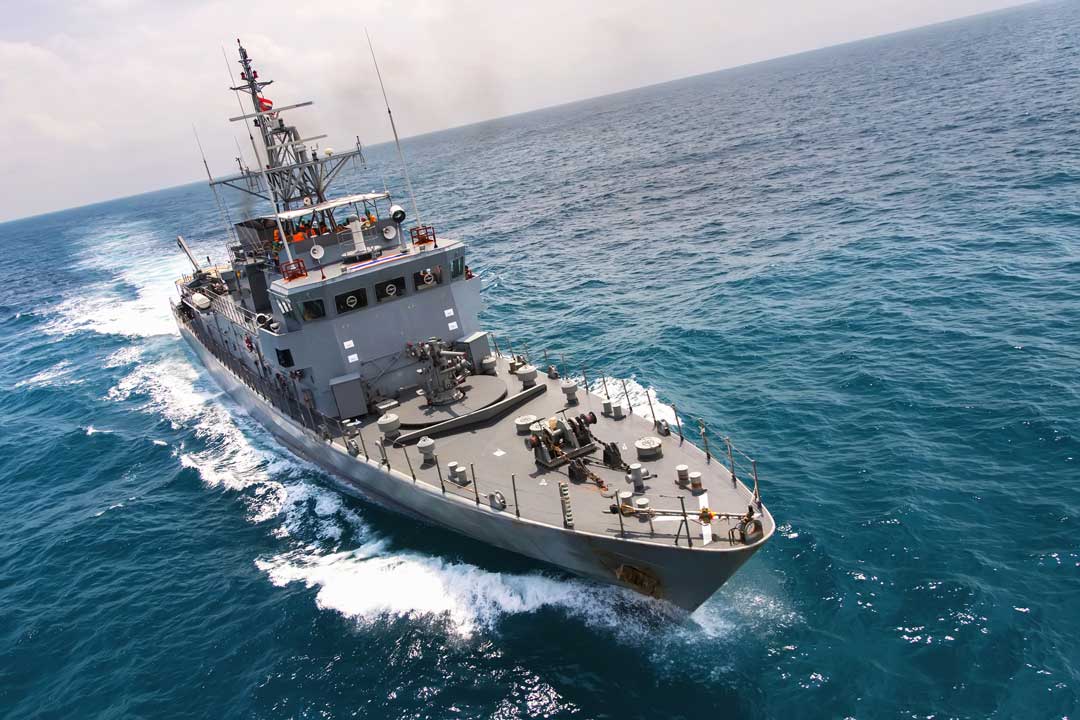
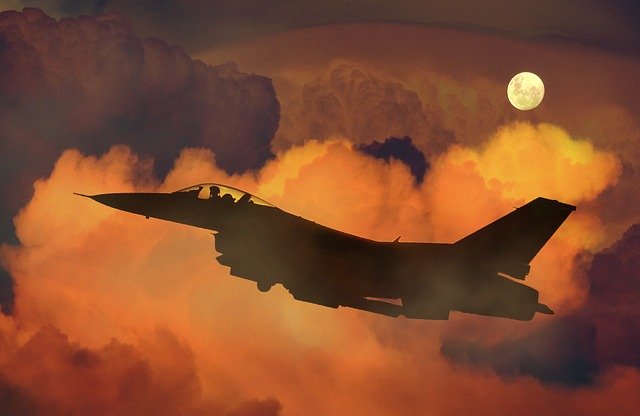
Precision welding delivers high-strength joints in armored vehicles, weapons systems, and naval vessels. These joints must hold under ballistic impact, extreme temperature swings, and constant vibration. Any failure in the field is unacceptable.
Military fabrication takes a broader scope. It delivers complete systems: ruggedized enclosures for electronic components, structural frames for military vehicles, ammunition storage containers, and communication equipment housings. Every one of these components must meet strict military specifications for durability, reliability, and performance under combat conditions.
Surface treatments are also part of the fabrication process and cannot be treated as an afterthought. Processes like alodine coating are applied to aluminum components after fabrication to improve corrosion resistance and paint adhesion, both of which are critical performance factors in harsh field environments where equipment must function reliably for extended periods of time.
Tight dimensional tolerances matter just as much as surface protection. Military machining plays a central role here, especially when precision components for weapons systems, guidance hardware, and structural assemblies require exacting specifications that only rigorous machining processes can consistently deliver.
Aerospace Manufacturing
Aerospace imposes the highest tolerances in any manufacturing sector. Components are held to measurements in thousandths of an inch, and failure is simply not an option given the stakes involved.
Welding in aerospace creates critical joints in engine components, fuel systems, and structural elements. Every weld must meet industry standards and pass thorough inspection before any part moves forward in the production process.
Fabrication produces the full range of aerospace assemblies, including avionics enclosures, instrument panels, satellite hardware, and structural elements. EMI shielding is a key consideration in many of these applications, particularly for fabricated electronics enclosures. Proper electromagnetic interference shielding protects sensitive avionics and defense electronics from signal disruption in demanding operational environments.
The complexity of aerospace geometries also drives decisions about machining capability on the shop floor. Understanding 3 axis vs 5 axis milling is essential when working on intricate components. Five-axis systems handle complex contours and tight tolerances that three-axis machines cannot reach, making them indispensable for high-specification aerospace work.
Equipment, Materials, and Process Considerations
Cutting Technologies
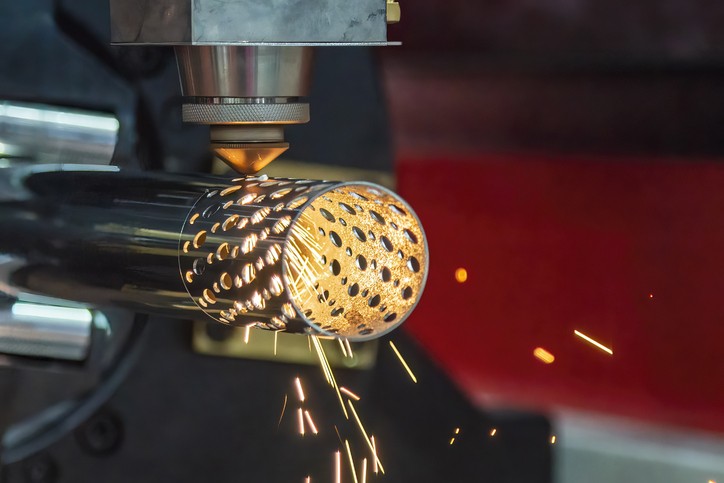
Cutting is one of the first steps in most fabrication projects. Laser cutting aluminum has become a preferred method for precision work because it delivers clean edges, tight dimensional accuracy, and minimal material distortion. It performs well for both prototyping runs and high-volume production, making it a flexible tool in any fabrication facility.
Other cutting methods include plasma cutting, waterjet cutting, and mechanical shearing. Each has its place depending on material thickness, part geometry, and the required quality of the cut edge.
Surface Finishing
Surface finishing is the final stage of fabrication and often the most overlooked. But in defense and aerospace, surface treatment is as important as any other production step.
Options range from painting and powder coating to specialized chemical treatments. The right finish depends on the base material, the operating environment, and whether the part needs to meet any specific military or industry specifications.
Joining Methods Beyond Welding
Welding is not the only way to join components in a fabrication process. Mechanical fastening is useful when assemblies need to be disassembled for maintenance or when dissimilar materials must be joined without introducing heat. Dip brazing offers exceptional thermal conductivity and structural integrity for aluminum components, creating strong joints without the distortion that welding can sometimes introduce.
Each joining method has a specific place depending on design requirements, material properties, and application demands.
Industry Trends Shaping Both Disciplines
Automation and Robotics
Automated welding cells now handle complex joining tasks with high consistency. In high-volume applications, robotic systems match or exceed the quality of manual welding while reducing cycle times and operator variability.
Fabrication facilities are integrating automation across more of the production process, including material handling, process sequencing, and quality inspection. Digital workflow management tools reduce setup time and improve overall throughput.
Sustainability in Manufacturing
Environmental responsibility is now part of the manufacturing conversation, not just a marketing message. Energy-efficient welding equipment, nesting software that reduces material waste, and scrap recycling programs all contribute to a lower environmental footprint at the facility level.
Working with sustainable metals is an area gaining momentum across the industry. Manufacturers are sourcing recycled or responsibly produced materials to reduce the upstream environmental impact of their supply chains without compromising on strength, machinability, or precision. For defense and aerospace customers with sustainability reporting requirements, this is increasingly a procurement consideration.
Digital Integration and Industry 4.0
Smart welding systems now use real-time monitoring and adaptive controls to maintain consistent joint quality. Data analytics catch process variations before they affect the finished product, reducing rework and scrap.
Fabrication facilities are leveraging CAD/CAM systems, digital twins, and IoT connectivity to optimize production workflows. These tools enable faster changeovers for new products and give manufacturers better traceability throughout the production process.
How to Make the Right Manufacturing Decision
Choosing between a welding-focused approach and full fabrication depends on what you are building and what it needs to do.
If the project requires a single strong joint between two components, welding may be the right and only process needed. If you are producing a complete assembly that involves multiple operations, different materials, and tight tolerances, a full fabrication solution is what the job demands.
Design for manufacturability (DFM) is critical regardless of which path you take. Getting your manufacturing partner involved early in the design phase helps identify potential issues before they become costly production problems. Joint design, material selection, heat management, and process sequencing all affect the final outcome in ways that are much easier to address at the design stage than during production.
Quality certification matters throughout. AWS-certified welders, ISO-compliant fabrication facilities, and documented inspection processes give you confidence that the finished product meets your specifications every time.
The Bottom Line
Welding and fabrication are not competing choices. They are complementary processes, with welding serving as one specialized tool within the larger fabrication system.
For defense, aerospace, and precision industrial applications, the question is rarely which process to use in isolation. It is about how to combine them effectively, with the right equipment, the right materials, and the right manufacturing partner who understands both.
Controlling multiple capabilities in-house gives manufacturers tighter quality control, faster lead times, and cleaner communication from design to delivery. That integration is what separates a true manufacturing partner from a vendor that only handles one piece of the puzzle.
Work With a Team That Knows Both Processes Inside and Out
NAMF brings decades of experience in defense and aerospace manufacturing to every project, from precision welding to complete metal fabrication. If you need one process or both, we have the capabilities and the certifications to deliver.