- What Is Metal Fabrication?
- What Are the Different Types of Metal Fabrication?
- How Does NAMF Approach Quality Across Different Fabrication Types?
- What Industries Depend on Metal Fabrication?
- How Is Technology Changing Metal Fabrication?
- Why Does Safety Matter in Metal Fabrication?
- What Certifications Support NAMF's Quality Assurance?
- What Does the Future of Metal Fabrication Look Like?
- Conclusion
- Frequently Asked Questions
Key Takeaways
- Quality assurance in metal fabrication is built into every step of the process, not just the final inspection.
- NAMF holds NAVSEA, AS9100C, and NADCAP certifications, meeting the highest standards in aerospace and defense.
- A safe shop produces better parts. At NAMF, safety and quality are treated as the same priority.
- From aluminum dip brazing to custom enclosures, NAMF tailors its QA protocols to the specific demands of each industry.
- Choosing a certified metal fabrication partner means fewer errors, less rework, and more reliable results.
Quality assurance is the backbone of every successful metal fabrication project. It’s what stands between raw material and a finished component that performs under real-world conditions, whether that part ends up in a commercial building, a fighter jet, or a defense system.
At NAMF, quality assurance isn’t a final checkbox. It’s a promise embedded in every cut, weld, and inspection that leaves our shop floor.
What Is Metal Fabrication?
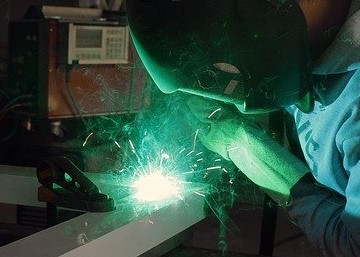
Metal fabrication is the process of turning raw metals into functional structures and components. It covers everything from cutting and bending to welding and assembling, and it applies to a wide range of materials, including steel, aluminum, copper, and brass.
Material selection is one of the first decisions any engineering or procurement team faces. Understanding the trade-offs of steel vs aluminum in weight, strength, cost, and corrosion resistance directly shapes how a project is fabricated and how the final part performs in service.
The fabrication process itself typically involves three core steps:
- Cutting: Metal sheets are sliced into precise sections using laser or water-jet cutting.
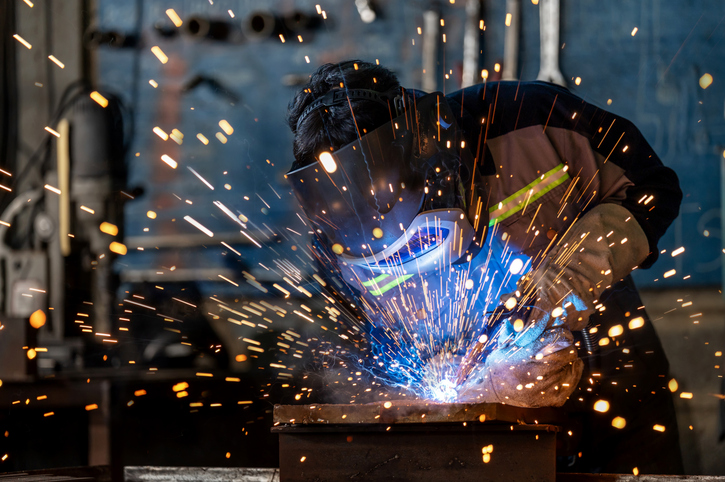
- Welding: Cut pieces are joined with structural precision and intent.
- Forming: Sheets are shaped into their final geometry.
Beyond these basics, specialized processes like aluminum dip brazing expand what’s possible, particularly when joining complex aluminum assemblies that can’t afford to lose strength or integrity at the joint.
What Are the Different Types of Metal Fabrication?
Metal fabrication branches into three main categories, each with its own set of quality standards and inspection requirements.
Structural fabrication focuses on components used in construction, including beams, frames, and load-bearing supports. Materials like steel and iron are standard here. QA processes involve rigorous material testing and dimensional accuracy checks, all tied to building codes and structural standards.
Commercial fabrication produces items like metal furniture, display fixtures, and architectural elements. Quality checks cover durability, safety, finish quality, and visual appeal, because in commercial settings, aesthetics matter as much as function.
Industrial fabrication serves large-scale manufacturing applications, including machinery parts, heavy equipment, and tools that operate under high stress and in demanding environments. Testing in this category is the most rigorous, focusing on strength tolerance, wear resistance, and compliance with industry-specific standards.
At NAMF, our quality assurance protocols are tailored to each of these categories. A structural component gets treated very differently from a commercial enclosure, and an industrial-grade part gets the most intensive inspection regimen of all.
How Does NAMF Approach Quality Across Different Fabrication Types?
Our QA approach is built around five core principles that apply across every project we take on.
First, we adhere strictly to internationally recognized standards and certifications, with no exceptions. Moreover foundation, we use customized quality control protocols developed specifically for structural, commercial, and industrial fabrication types. We pursue continuous improvement by incorporating the latest technologies and processes as they become available. Client feedback actively shapes how we evolve our QA systems. And regular training ensures that every team member is current on both fabrication techniques and best practices.
This isn’t a static system built to maintain the status quo. It’s designed to improve with every project we complete.
What Industries Depend on Metal Fabrication?
Metal fabrication reaches into nearly every corner of modern manufacturing and construction. Here’s how it shows up in the industries NAMF serves.
Construction and Infrastructure: Steel beams, metal roofing panels, and structural frameworks are all fabricated components. Every piece leaving our facility has undergone dimensional accuracy and material quality checks before it goes to a job site.
Aerospace: Aerospace sheet metal fabrication demands tighter tolerances than virtually any other sector. Components must hit exact dimensional, material, and performance specifications without exception. For clients in aerospace, CNC rapid prototyping has become a critical capability, shortening the path from design intent to a validated physical part. Where programs previously waited weeks for a traditionally machined prototype, teams can now confirm form, fit, and function in days.
Automotive and Military Defense: These sectors require both precision and resilience. Vehicle components, armor plating, and EMI-shielded enclosures for sensitive electronics must all withstand extreme operational conditions. We manage quality from the initial design phase through final inspection, and every component is reviewed against the specific performance requirements of its application.
Custom Projects: Custom metal fabrication pairs cutting-edge technology with skilled craftsmanship to produce one-of-a-kind parts. Our team works closely with clients from concept to completion, adjusting specifications and QA checkpoints as project requirements evolve.
How Is Technology Changing Metal Fabrication?
CNC (computer numerical control) machining has fundamentally changed what precision is possible in metal fabrication. It enables repeatable, consistent accuracy across complex part geometries that would be impossible, or prohibitively expensive, to achieve through manual methods.
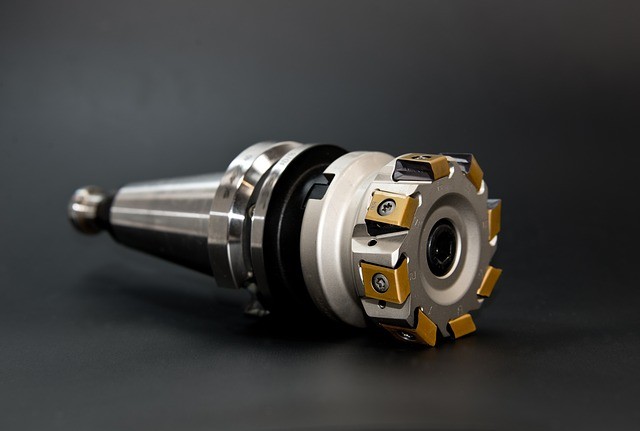
Understanding the difference between CNC mill vs lathe operations helps clients make better decisions about which machining approach fits their part design. CNC milling handles multi-axis, complex-contour geometry. CNC lathes excel at cylindrical and rotational parts. Both play important roles in a full-service fabrication environment, and knowing which process fits a given design saves time and cost at the outset. For programs that require fast iteration without sacrificing accuracy, prototype machining services provide the speed and flexibility that defense and aerospace development cycles demand.
Beyond CNC, technologies like laser cutting and advanced 3D printing continue to expand fabrication capabilities. They improve precision, reduce material waste, and compress lead times. NAMF actively integrates these advancements so our clients benefit from solutions that are efficient, accurate, and cost-effective.
Why Does Safety Matter in Metal Fabrication?
Metal fabrication involves welding, cutting, forming, and handling heavy raw materials. Each of those operations carries risk. Managing those risks effectively isn’t optional. It’s what keeps people safe and keeps production running without disruption.
At NAMF, we don’t just meet OSHA standards. We exceed them. That means conducting regular risk assessments to identify hazards before they become incidents, maintaining equipment proactively rather than reactively, and keeping our workspace organized and clean. A well-run shop is a safer shop, and a safer shop produces better parts.
When team members work in an environment where safety is genuinely prioritized, they stay focused. That focus translates directly into fewer errors, less rework, and a higher-quality finished product. Safety and quality aren’t competing priorities here. They reinforce each other.
Our team is equipped with the appropriate protective gear for every task. More importantly, our ongoing training programs ensure that every person on the floor is current on both equipment handling and evolving safety protocols. A well-trained team is both a safer team and a more precise one.
What Certifications Support NAMF’s Quality Assurance?
Certifications aren’t plaques on a wall. They’re third-party validations that a fabrication shop operates at a documented, audited level of quality consistently, not just on good days.
NAVSEA Certification: Issued by the Naval Sea Systems Command, this certification confirms that NAMF meets the demanding quality and safety standards required for military and defense manufacturing. Every component we produce for defense clients complies with military specifications, including applicable brazing certification requirements for joined assemblies used in defense programs.
AS9100C: Built on the ISO 9001 framework and extended for aerospace and military manufacturing, AS9100C mandates consistent delivery of products that meet customer and regulatory requirements. It drives continuous improvement across every project we handle and establishes the quality management system benchmarks expected in aerospace contracting.
NADCAP: The National Aerospace and Defense Contractors Accreditation Program sets the gold standard for special processes in aerospace and defense. NADCAP-focused quality assurance covers material certification, process control, dimensional inspection, non-destructive testing, and traceability from raw material to finished component. Partnering with a NADCAP-approved company like NAMF reduces the risk of defects, ensures compliance with aerospace regulations, and lowers the cost of rework across the program.
What Does the Future of Metal Fabrication Look Like?
The metal fabrication industry is evolving rapidly. Automation, AI-assisted process control, and sustainable manufacturing practices are reshaping how shops operate across the board. NAMF isn’t waiting to adapt. We’re actively investing in the capabilities and processes that position our clients ahead of these shifts.
Our research and development investment is ongoing. We monitor market trends, track customer requirements, and evaluate new technologies for adoption before they become industry standard. That proactive posture means we can meet challenges before they become problems for the clients who depend on us.
We also see the future of metal fabrication as an opportunity to lead on sustainability, reducing material waste, improving energy efficiency across our processes, and building products that last longer in service. These aren’t just environmental goals. They translate into better economics for our clients.
Conclusion
Quality assurance in metal fabrication isn’t a final step. It’s a system that runs through every phase of a project, from material selection and cutting to welding, forming, and delivery.
NAMF’s NAVSEA, AS9100C, and NADCAP certifications represent a documented commitment to doing this right every time. Whether your project involves aerospace sheet metal, complex aluminum assemblies, or defense-grade custom enclosures, you get a partner who treats quality as non-negotiable.
When you choose NAMF, you’re choosing a team that consistently pushes the standards of what metal fabrication can deliver on precision, reliability, and accountability.
Ready to Work With a Metal Fabrication Partner That Takes Quality as Seriously as You Do?
NAMF brings NAVSEA, AS9100C, and NADCAP-certified quality assurance to every project. Whether you need custom fabrication, aerospace components, or defense-grade assemblies, our team is ready to deliver.