Key Takeaways
- Aluminum’s light weight and corrosion resistance make it a top pick for custom parts.
- NAMF has machined aluminum parts in New Jersey since 1979.
- The right fabricator combines proven certifications with in-house dip brazing and precision machining.
- Machined aluminum parts show up in defense, industrial, and architectural projects every day.
When you need dependable machined aluminum parts, the number of shops competing for your business can feel overwhelming. New Age Metal Fabricating (NAMF) has served the New Jersey manufacturing community since 1979, offering custom machining, metal fabrication, and dip brazing under one roof. This guide breaks down what makes aluminum such a strong choice for custom parts and how to pick a shop you can trust.
What Are Machined Aluminum Parts?
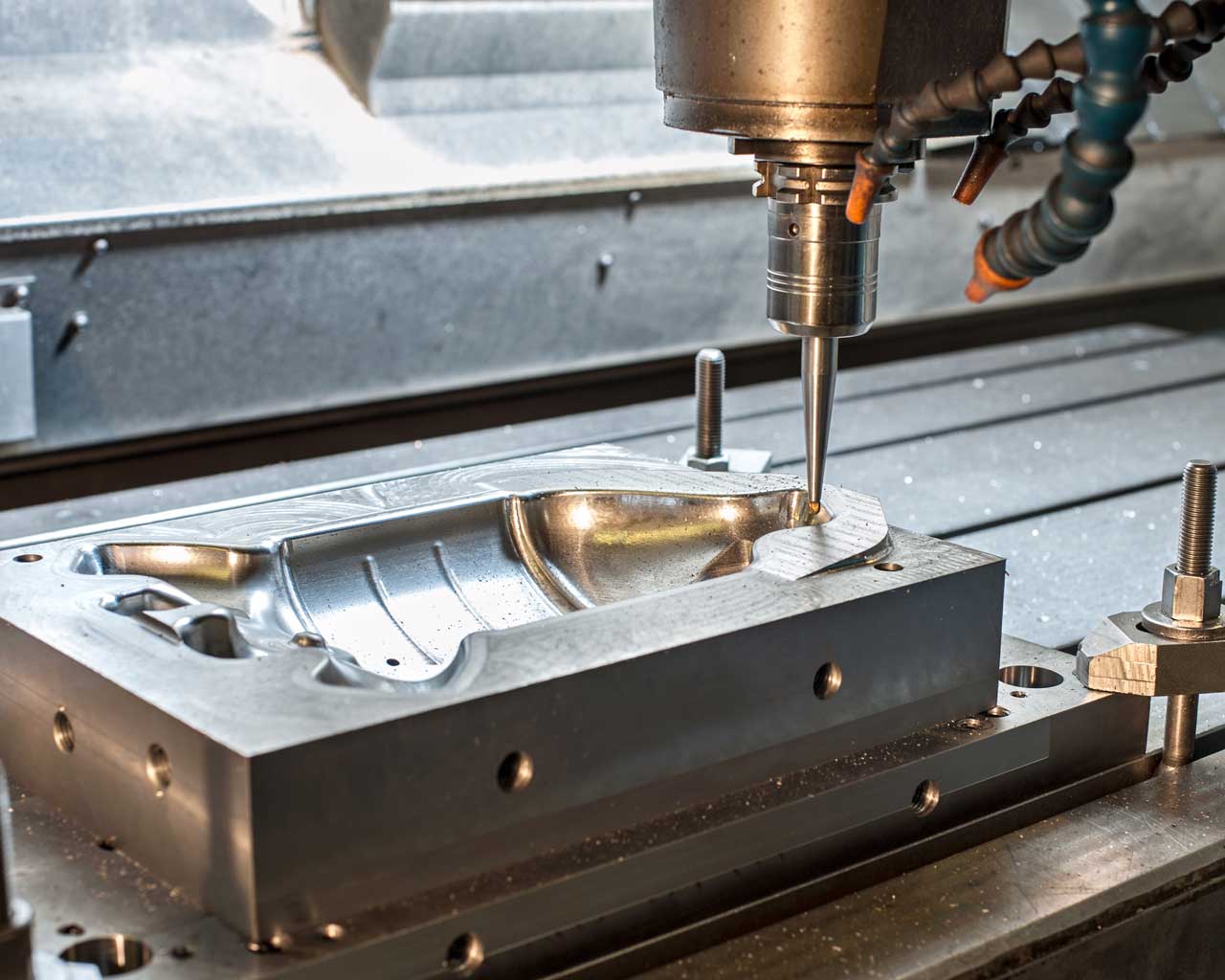
Machined aluminum parts are components cut, drilled, or shaped from aluminum stock using CNC machines. Manufacturers choose this process when a part needs tight tolerances, a custom shape, or a finish that off-the-shelf stock can’t match. The result is a precise part built to your exact specs.
Why Manufacturers Choose Aluminum for Custom Machining
Aluminum makes up about 8% of the earth’s crust, so raw material is easy to source. It’s also lightweight, roughly a third the weight of steel, yet strong enough for demanding applications. Aluminum resists corrosion and oxidation on its own, so parts don’t need extra coatings to survive outdoor or industrial use.
These properties are why aluminum shows up across manufacturing equipment, vehicles, and consumer electronics. A shop with the right machining capability can turn raw aluminum stock into finished machined aluminum parts in a fraction of the time older manual methods required.
Where You’ll Find Machined Aluminum Parts in Use
Machined aluminum parts show up almost anywhere manufacturers need light, strong, and corrosion resistant components. Common uses include:
- Military CNC production for weapon systems and communication equipment
- Architectural framing and structural supports
- Automotive and aerospace components that need to stay light
Because aluminum is easy to source and machine at scale, it’s also a favorite for mass production runs.
How to Choose the Right Aluminum Fabrication Shop
Not every metal shop can deliver the same quality. Start by checking credentials. An ISO 9001 certified company has proven its quality management system meets international standards, which matters if your parts need to perform under pressure.
Ask what else the shop handles beyond aluminum. Many strong partners also work as custom steel fabricators, so they can support projects that mix materials without adding another vendor to your list.
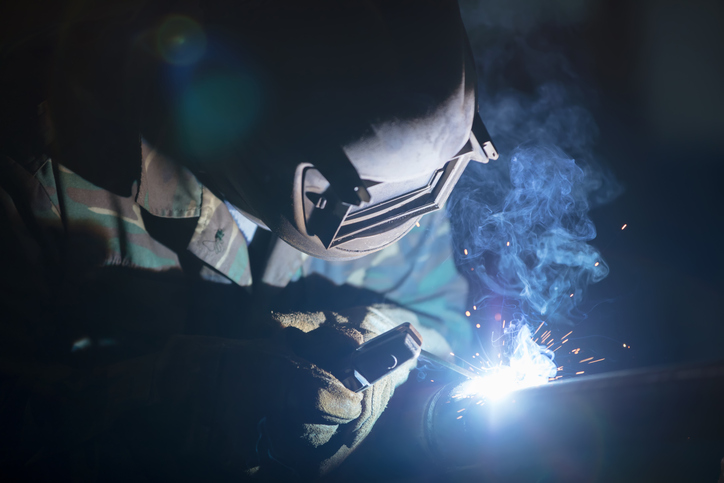
If your part needs a strong joint without weakening the metal, look for dip brazing companies that handle the process in-house. Dip brazing bonds aluminum components at high heat without the added weight or weak points that welding can leave behind.
Precision matters too. A shop built around precision fabrication holds tighter tolerances, which reduces scrap and rework on complex parts. Ask to see tolerance specs from past projects before you commit.
Sheet metal work matters just as much for enclosures and brackets. Sheet metal punching lets a shop create clean holes and cutouts fast, which speeds up assemblies that pair aluminum parts with formed metal housings.
Finally, look at the shop floor itself. Updated CNC milling machines point to a partner who can hold tight tolerances and keep your lead times short.
A Fabrication Partner Built to Last
Finding the right shop for machined aluminum parts comes down to matching your project to a team with the right certifications, in-house capabilities, and track record. NAMF has supported manufacturers across the defense, aerospace, and industrial sectors from our New Jersey facility since 1979. When you need a single source for machining, fabrication, and finishing, we’re ready to help.
Ready to Get Your Aluminum Parts Machined Right?
Tell us about your project and we’ll walk you through material options, lead times, and pricing. No pressure, just straight answers from a team that’s been doing this since 1979.