- Understanding Brass Welding: More Than Just Joining Metal
- Silicon Bronze: Your Filler Material Choice
- When Brass Welding Becomes Your Best Option in Defense Manufacturing
- Success Factors for Defense-Grade Brass Welding
- Quality Verification for Mission-Critical Components
- The Future of Brass Welding in Defense Manufacturing
- Conclusion
- Frequently Asked Questions
Key Takeaways
- Brass welding creates stronger joints than brazing by fusing base materials together, making it essential for high-pressure defense systems and marine applications where structural integrity is critical.
- Silicon bronze filler material is the preferred choice because it reduces zinc fumes, prevents porosity, and achieves tensile strengths of 60,000-90,000 psi—comparable to mild steel.
- Success requires preheating components to 300–600 °F, maintaining rigorous surface cleanliness, using proper ventilation for toxic zinc oxide fumes, and controlling distortion through fixturing and heat management.
Brass welding presents a unique challenge in metal fabrication. The zinc wants to vaporize before the copper melts, creating toxic fumes and potential weak spots in your joint.
Yet when you need maximum strength, corrosion resistance, and structural integrity in defense applications, brass welding delivers results that brazing simply can’t match.
Understanding when to choose brass welding over other joining methods can mean the difference between a component that fails under pressure and one that performs reliably in the harshest environments your defense systems will face.
Understanding Brass Welding: More Than Just Joining Metal
Brass welding fuses the base material by melting brass components (an alloy of copper and zinc) to create a permanent bond. This differs from brazing, which only melts a filler metal between two pieces.
The distinction matters in defense applications.
When you braze, you’re essentially gluing two pieces together with molten metal. The base materials never melt. When you weld brass, you’re creating a unified structure where the parent materials and filler become one continuous piece.
This fusion creates joints with higher strength and better fatigue resistance—critical properties when your components face extreme stress or repeated loading cycles.
The Technical Challenge in Brass Welding
Zinc, a primary component in brass, boils at approximately 1,665°F while copper melts around 1,981°F. This 316-degree gap creates the central challenge when working with custom CNC parts that require brass welding.
As you apply heat, zinc vaporizes before copper melts. This creates zinc oxide fumes, a respiratory hazard, and can leave your weld porous and weak.
Your solution lies in three critical controls:
- Precise heat management to minimize zinc loss
- Proper filler material selection (typically silicon bronze)
- Adequate ventilation and respiratory protection
The industry faces a critical shortage of skilled welders. This makes understanding brass welding techniques valuable as you build or maintain your defense manufacturing capabilities.
Preferred Welding Methods for Defense-Grade Results
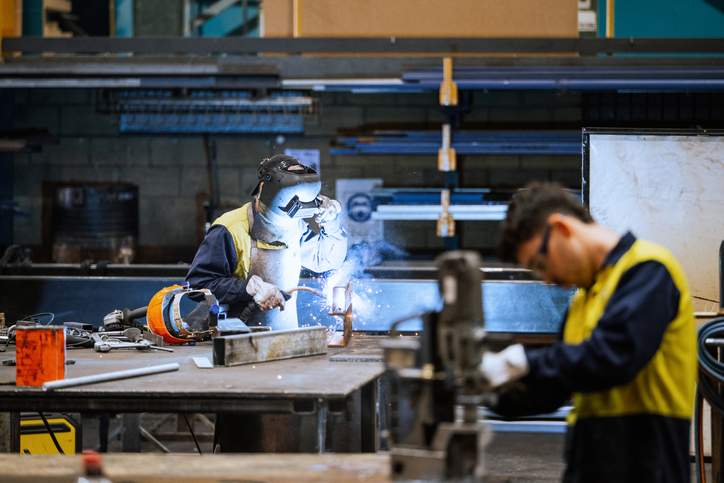
TIG (Tungsten Inert Gas) welding provides the precision and control you need for most defense applications. You get clean welds with minimal distortion, essential when working within tight tolerances—much like choosing between 3-axis vs. 5-axis milling for complex geometries.
The process works well with silicon bronze filler, using DC electrode negative polarity and 100% argon shielding gas. Optimal temperatures range between 900–1,150°F.
MIG (Metal Inert Gas) welding serves you better when working with thicker sections or when production speed outweighs the need for absolute precision. The process deposits material faster but offers less control than TIG.
Your choice depends on your defense component’s specific requirements: thickness, complexity, accessibility, and precision needs.
Silicon Bronze: Your Filler Material Choice
Silicon bronze filler material solves multiple problems simultaneously when performing brass welding. The silicon acts as a deoxidizer, reducing porosity in your finished weld. It also improves fluidity, helping the molten metal flow smoothly and fill gaps completely.
The material achieves tensile strengths ranging from 60,000 to 90,000 psi, comparable to common mild steel. This strength-to-weight ratio makes it exceptionally valuable for weight-sensitive aerospace applications where every ounce matters.
Silicon bronze offers you additional advantages:
- Compatibility with various base metals beyond brass
- Reduced zinc fume generation compared to brass filler
- Excellent corrosion resistance in marine environments
- Smooth, aesthetically pleasing weld beads
- Minimal post-weld cleanup requirements
For specialized applications, aluminum bronze provides even greater strength and wear resistance. The alloy was initially developed for military marine applications due to its exceptional resistance to seawater corrosion, a property that remains critical in submarine and naval vessel components today. Like aluminum dip brazing, this process demands precise temperature control and clean environments.
When Brass Welding Becomes Your Best Option in Defense Manufacturing
You don’t choose brass welding for every application. The process demands more skill, creates safety challenges, and typically costs more than alternatives like brazing or mechanical fastening.
But in specific defense scenarios, brass welding becomes not just preferable but necessary.
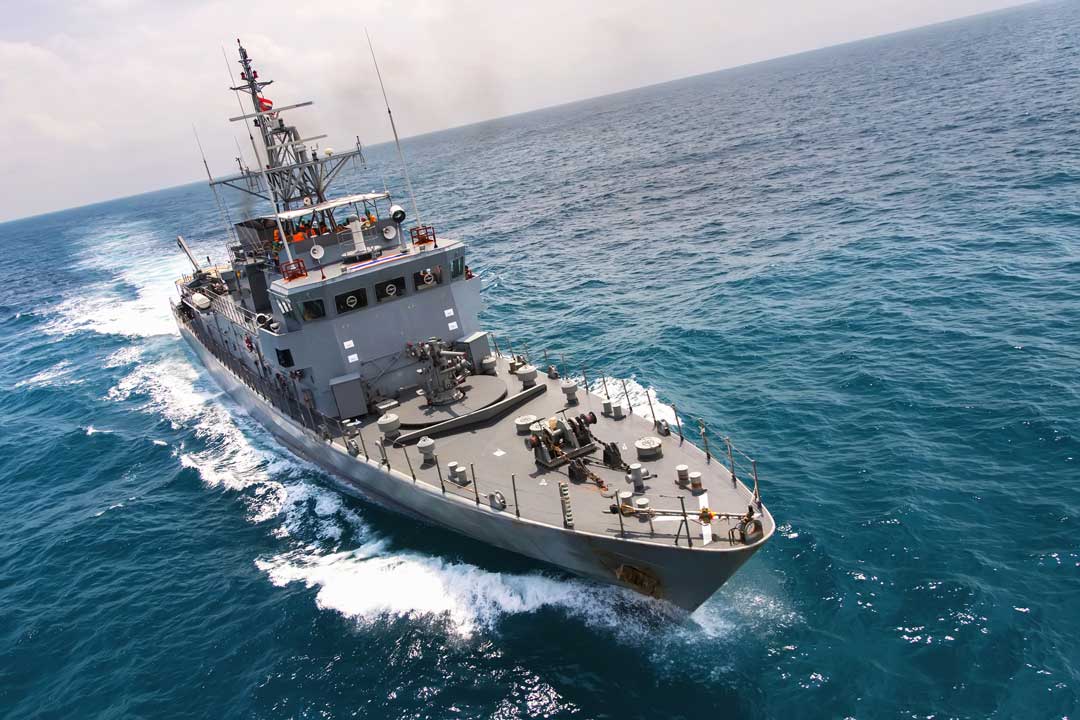
Marine and Subsea Defense Systems
Naval brass demonstrates outstanding resistance to seawater corrosion. When you weld it properly, you maintain this resistance throughout the joint, critical for components submerged in saltwater for years.
Your applications include:
- Submarine piping systems and valve bodies
- Propeller shaft components and bearings
- Hull penetrations and seawater intake systems
- Pressure vessel assemblies for underwater equipment
The high copper content in brass provides natural resistance to the oxidation that destroys ferrous metals in damp environments. Brass maintains its mechanical strength under pressure, making it reliable for structural components in marine settings and custom chassis fabrication for naval vessels.
Recent advancements in welding materials have led to specialized alloys more resistant to corrosion and stress cracking. These innovations enhance the longevity and reliability of underwater welds. It’s essential for maintaining critical naval infrastructure where repairs are difficult and expensive, particularly for metal fabrication companies serving defense contracts.
High-Pressure Hydraulic Systems
Welded brass joints provide superior strength and fatigue resistance compared to brazed connections. When your hydraulic system operates at extreme pressures, this difference matters.
The fusion weld creates a joint as strong as the parent material. You eliminate the weak point that brazed joints can introduce, particularly under cyclic loading where fatigue failures typically originate. Full-service manufacturing facilities that master this technique deliver superior reliability in mission-critical systems.
Defense hydraulic systems in aircraft landing gear, weapons systems, and heavy equipment demand this level of reliability. A failure in these systems can compromise mission success or personnel safety.
Non-Sparking Environments: Munitions and Fuel Handling
Brass produces no sparks when struck or abraded, making brass welding essential for any environment where flammable materials or explosives are present.
You’ll use brass welding in:
- Ammunition component fabrication and repair
- Fuel storage container construction
- Tool and equipment manufacturing for ordnance handling
- Repair of brass casings and munitions storage systems
The non-sparking characteristic isn’t just a nice feature; it’s a safety requirement that can prevent catastrophic accidents in weapons storage facilities and fuel handling areas.
Specialized Machinery Repair and Rebuilding
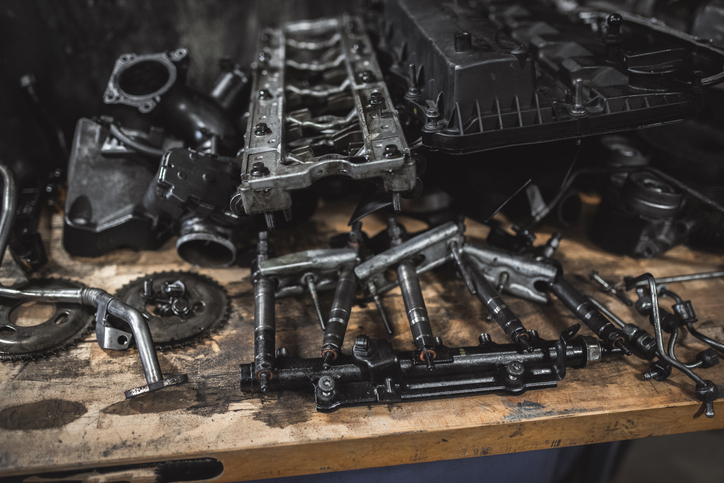
You can rebuild worn brass components through welding, extending the service life of expensive machinery. This proves valuable for legacy defense systems where replacement parts are no longer available.
Brass welding allows you to:
- Rebuild worn bearing surfaces and bushings
- Repair damaged valve seats and sealing surfaces
- Restore dimensional accuracy to machined components
- Salvage thick industrial castings
The self-lubricating properties of certain brass alloys, particularly silicon aluminum bronze, make them ideal for bushings and bearing cages in heavy equipment and aerospace applications. Welding repairs maintain these properties while avoiding the cost and lead time of new component procurement.
Heat Exchangers and Thermal Management Systems
Brass efficiently transfers heat while resisting the thermal cycling that causes other materials to fail. In defense applications, this translates to reliable radiators, oil coolers, and thermal management systems for armored vehicles and power generation equipment.
Welded brass heat exchangers withstand the vibration and shock common in military vehicles better than brazed assemblies. The stronger joints resist fatigue cracking that would eventually lead to coolant leaks and system failures.
Success Factors for Defense-Grade Brass Welding
The difference between a successful brass weld and a failed one often comes down to preparation and process control. You need to manage several variables simultaneously to achieve consistent results.
Preheating: Your First Line of Defense Against Cracking
Preheat your brass components to 300–600 °F before welding. This reduces thermal shock and minimizes stress that causes cracking in thick sections or complex geometries.
The exact preheat temperature depends on:
- Material thickness (thicker sections need more preheat)
- Copper content (higher copper requires higher preheat)
- Joint complexity (complex geometries benefit from higher preheat)
- Ambient temperature (cold environments demand more preheat)
You can verify proper preheat using temperature-indicating crayons or infrared thermometers. Don’t guess, measure. The investment in a quality thermometer pays for itself by preventing cracked welds.
Surface Preparation: No Shortcuts Allowed
Contamination destroys brass welds. Oxides, oils, coatings, and residues create porosity and weak joints that fail under stress.
Your preparation process should include:
- Mechanical cleaning with stainless-steel wire brushes
- Solvent degreasing to remove oils and lubricants
- Grinding to remove heavy oxidation or coatings
- Final wipe with clean acetone immediately before welding
Pay particular attention to the weld groove and adjacent surfaces. Contamination even an inch away from the joint can be drawn into the weld pool by capillary action.
Fume Control: Protecting Your Welders
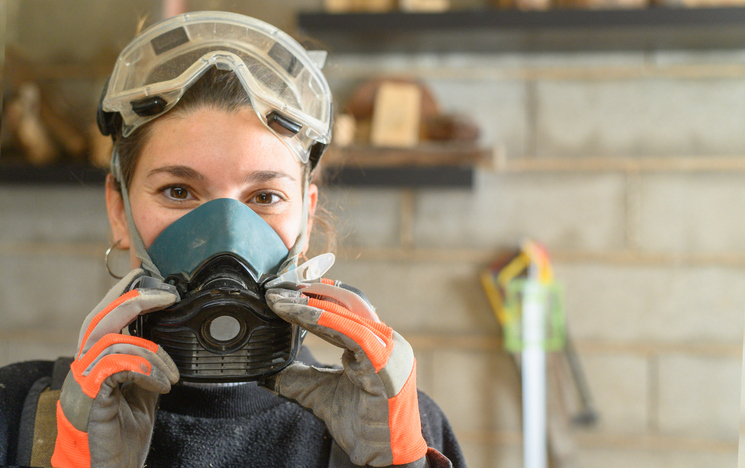
Zinc oxide fumes cause metal fume fever, a flu-like illness that incapacitates welders for days. Proper ventilation and respiratory protection prevent this condition.
Warning: Never weld brass without adequate ventilation and approved respiratory protection. Metal fume fever symptoms appear 4-12 hours after exposure, making it easy to underestimate the hazard.
Your safety measures should include:
- Local exhaust ventilation positioned near the weld zone
- Supplied-air respirators for confined spaces
- Air-purifying respirators with appropriate filters for open areas
- Environmental monitoring to verify fume levels remain safe
Defense manufacturing increasingly needs skilled welders who understand safety protocols. You can’t afford to lose skilled personnel to preventable illness.
Distortion Management: Maintaining Dimensional Accuracy
Brass spreads heat quickly throughout the component. This prevents localized overheating but increases distortion risk in large or thin-walled parts.
Control distortion through:
- Proper fixturing that restrains movement without inducing stress
- Heat sinks (copper backing bars) that draw heat away from critical areas
- Controlled welding sequences that balance thermal expansion
- Tack welding strategies that maintain alignment
For precision defense components where tolerances are measured in thousandths of an inch, distortion control becomes as important as the weld quality itself.
Quality Verification for Mission-Critical Components
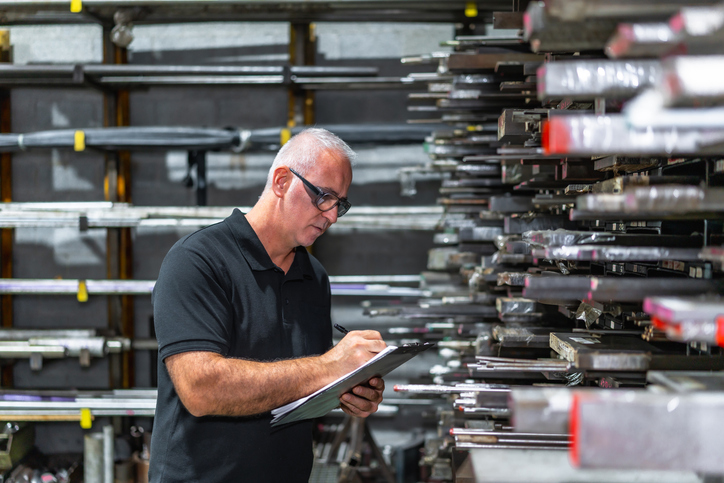
Defense applications demand verification that your brass welds meet specifications. Visual inspection catches obvious defects, but you need additional methods to ensure structural integrity.
Non-Destructive Testing Methods
Liquid penetrant testing reveals surface-breaking defects like cracks and porosity. The method works well on brass and requires minimal equipment investment.
Radiographic testing shows internal defects, voids, inclusions, and lack of fusion that visual inspection misses. You’ll use this method for pressure vessels and other critical applications where internal defects could cause catastrophic failure.
Ultrasonic testing provides an alternative to radiography for thick sections, offering real-time results without radiation safety concerns.
First Article Inspection Requirements
When you begin production of a new brass welded component for defense applications, First Article Inspection (FAI) verifies that your process produces parts meeting all engineering and design specifications.
This verification process becomes your baseline for production control. You document welding parameters, inspection results, and material certifications, creating a record that proves your manufacturing capability.
For defense contractors, FAI isn’t optional. It’s a contractual requirement that protects both you and your customer from costly production errors.
The Future of Brass Welding in Defense Manufacturing
Automation and AI integration are transforming welding across all industries. These technologies will make brass welding more accessible and consistent, reducing the skill gap created by the industry’s workforce shortage. Advanced CNC aluminum machining capabilities complement these welding advancements in modern defense manufacturing.
Robotic welding systems can maintain the precise heat control brass requires while eliminating human exposure to zinc oxide fumes. Machine learning algorithms optimize parameters in real-time, adjusting for variations in material thickness, fit-up, and ambient conditions.
New filler materials continue to emerge, offering improved properties for specific applications. Research into low-fume brass welding consumables may eventually reduce the ventilation requirements that make brass welding more complex than steel.
The defense sector’s continued growth ensures ongoing demand for precision metal fabrication expertise. Your investment in brass welding capabilities positions you to serve this expanding market.
Making the Right Choice for Your Defense Application
Brass welding isn’t the easiest joining method. It demands skilled welders, specialized equipment, and rigorous safety protocols.
But when your application requires maximum strength, superior corrosion resistance, or operation in harsh marine environments, brass welding delivers performance that alternatives can’t match.
You should choose brass welding when:
- Joint strength must equal or exceed base material strength
- Components face seawater or corrosive environments
- Non-sparking properties are safety requirements
- High-pressure systems demand fatigue-resistant joints
- Thermal cycling or vibration threatens brazed assemblies
The key lies in understanding your specific requirements and matching them to the right fabrication method. Not every brass component needs welding, but when it does, there’s no substitute for doing it right.
Conclusion
At New Age Metal Fabricating, we’ve specialized in precision metal fabrication for defense and aerospace applications since 1979. Our expertise spans dip brazing, CNC machining, and complex welding processes, including brass and specialized alloys.
We maintain NADCAP, NAVSEA, and ISO accreditations. These certifications verify our commitment to the quality standards your defense applications demand. Our dual facilities in Fairfield, NJ, and Ronkonkoma, NY, provide the capacity and redundancy that mission-critical projects require.
When you need brass welding for defense components, you need a partner who understands both the technical challenges and the regulatory requirements. We bring four decades of experience solving complex fabrication problems for clients who accept nothing less than excellence.
Ready to Start Your Next Defense Manufacturing Project?
Discover how NAMF’s precision fabrication capabilities can deliver the reliability and quality your defense applications demand. Explore our comprehensive manufacturing services today.