Key Takeaways
- Precision laser cutting achieves tolerances as tight as 0.003″, making it the standard for mission-critical defense and aerospace components.
- NAMF’s TruLaser 2030 4 kW fiber-optic system cuts four times faster than CO2 lasers while using roughly one-third of the energy.
- As an AS9100, ITAR, NADCAP, and NAVSEA-certified manufacturer, NAMF delivers fully finished, inspected components from a single source.
When a component on a military aircraft fails, it is not a quality problem. It is a mission problem. Precision laser cutting is the technology that keeps that scenario off the table. It delivers the tight tolerances, clean edges, and repeatable accuracy that defense and aerospace manufacturing demands.
For contractors and engineers sourcing parts in New Jersey and New York, finding a certified, single-source manufacturer makes all the difference. NAMF has provided precision laser cutting services from its Fairfield, NJ facility since 1979, serving defense contractors, aerospace OEMs, and military branches with the same commitment to quality on every project.
What Is Precision Laser Cutting?
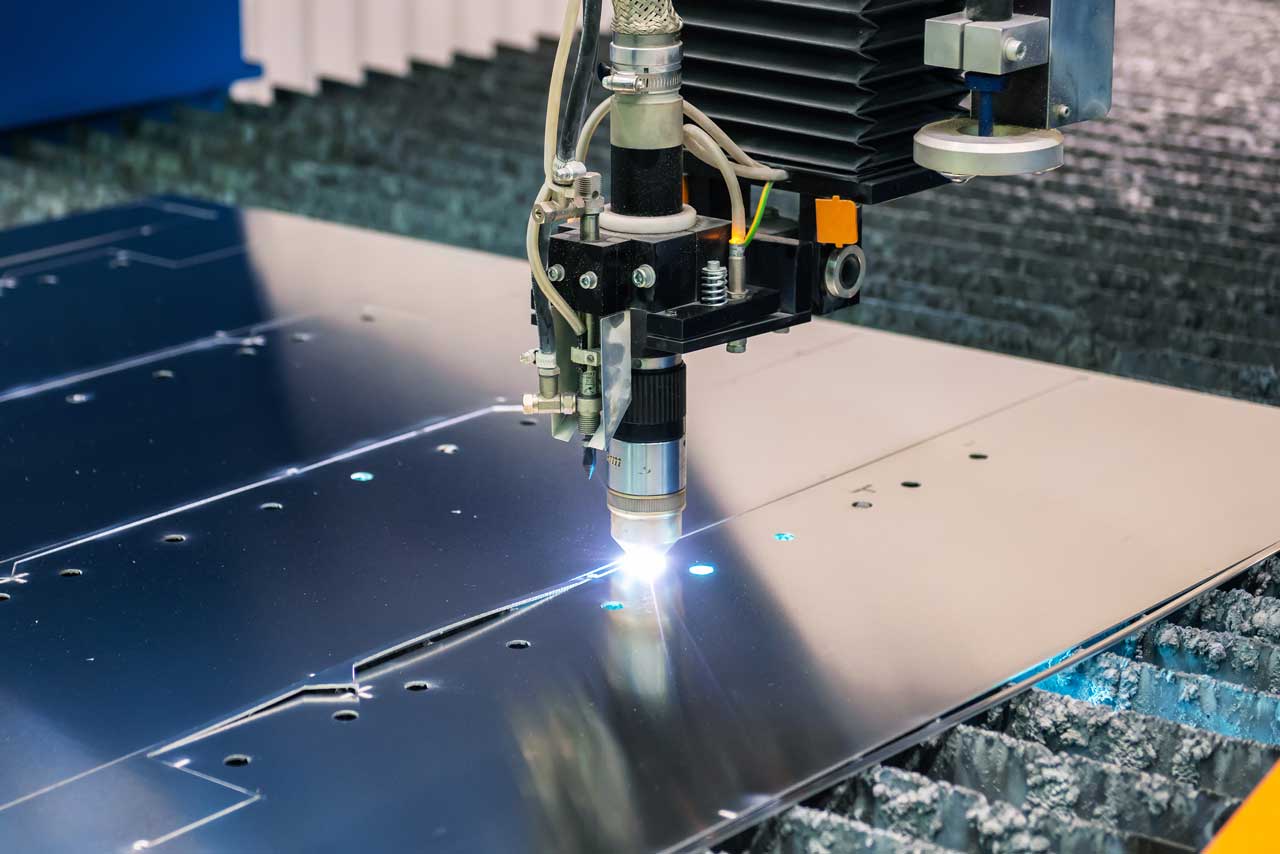
Precision laser cutting is a CNC-controlled process that uses a focused, high-powered laser beam to cut metal to exact specifications. The laser vaporizes, melts, or burns material along a programmed path, leaving a clean, accurate edge with a minimal heat-affected zone (HAZ).
It is a non-contact process, meaning no physical force is applied to the material. That eliminates the risk of warping, deformation, or surface contamination that traditional cutting methods can introduce. For defense components that must meet tight MIL-SPEC tolerances, that level of control matters.
How the Process Works: Step by Step
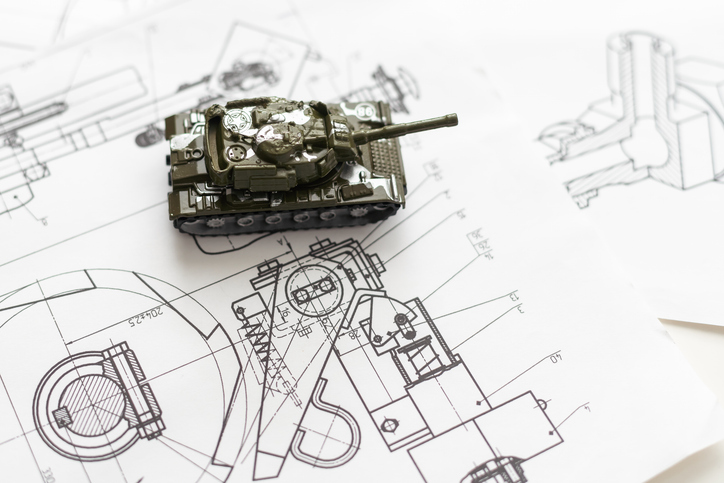
The process starts with a CAD file. The engineer’s digital design is translated into machine instructions that guide the laser along the exact cutting path. From there, the sequence is consistent and controlled:
- The laser machine generates a concentrated beam directed through precision optics.
- The beam contacts the material surface, instantly melting or vaporizing it along the programmed path.
- Assist gas (nitrogen, oxygen, or air) expels molten material from the kerf, keeping the cut channel clean.
- The CNC system continuously adjusts beam position, ensuring every cut matches the design geometry to within thousandths of an inch.
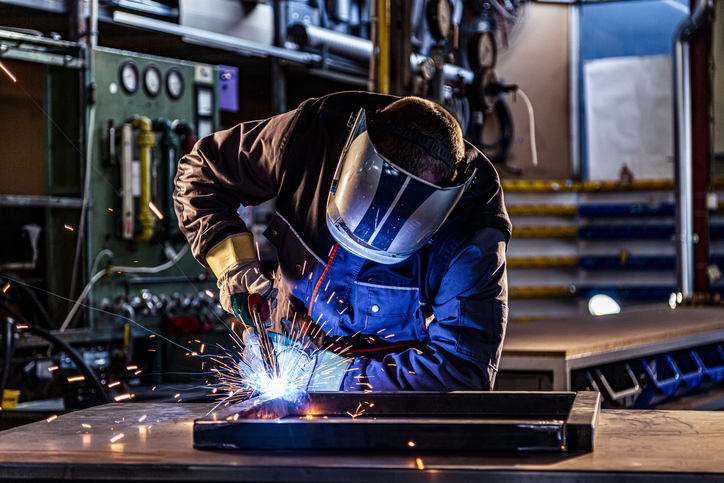
The result is a burr-free edge, produced consistently across every part in a production run.
Why Defense and Aerospace Demand It
In military fabrication, there is no tolerance for error. Components used in radar housings, electronics assemblies, and structural frames must perform in extreme environments without any deviation from spec. Precision laser cutting is the method capable of delivering that consistency at production scale.
The defense sector has seen a 340% increase in procurement spending over the past decade. That growth has intensified demand for certified manufacturers who can meet tight deadlines without sacrificing quality. Contractors evaluating suppliers prioritize firms with advanced equipment and proven compliance histories over those offering basic fabrication services.
Precision laser cutting also supports aluminum prototype machining workflows. When engineers are testing new part geometries, the ability to cut accurate prototypes from aluminum quickly shortens development cycles and reduces scrap rates before committing to full production runs.
Materials We Cut
NAMF’s laser handles a broad range of industrial and defense-grade materials:
- Aluminum alloys: Widely used in aerospace structures and military enclosures, aluminum cuts cleanly with minimal thermal distortion at the edge.
- Stainless steel: For corrosion-resistant structural and mechanical parts that serve military machining requirements, stainless delivers reliable performance under harsh environmental conditions.
- Copper and brass: For electrical and thermal management applications in defense electronics packages.
The versatility of the laser system means contractors do not need separate vendors for different material types. That keeps projects on a single schedule and under a single point of contact.
Quality Standards That Protect Your Project
Every precision laser cut at NAMF goes through a rigorous quality control process before a part ships. Our team evaluates dimensional accuracy against design tolerances, edge roughness, oxide formation, heat-affected zone formation, and the absence of burrs on all finished edges. Parts that do not meet specifications do not leave the facility.
NAMF holds AS9100D, ITAR, NADCAP, and NAVSEA certifications. These are not administrative checkboxes. They are the evidence that our quality systems meet the exacting standards of the defense and aerospace industries, audited and re-approved on a regular cycle.
Customers specifying sustainable metals or sourcing materials under DOD environmental initiatives will find that our processes account for material characteristics and downstream recyclability without compromising structural performance. Our commitment to sustainable fabrication aligns with evolving government contractor requirements and positions clients well for programs with green supply chain mandates.
From Cutting to Finished Component: NAMF’s Turnkey Approach
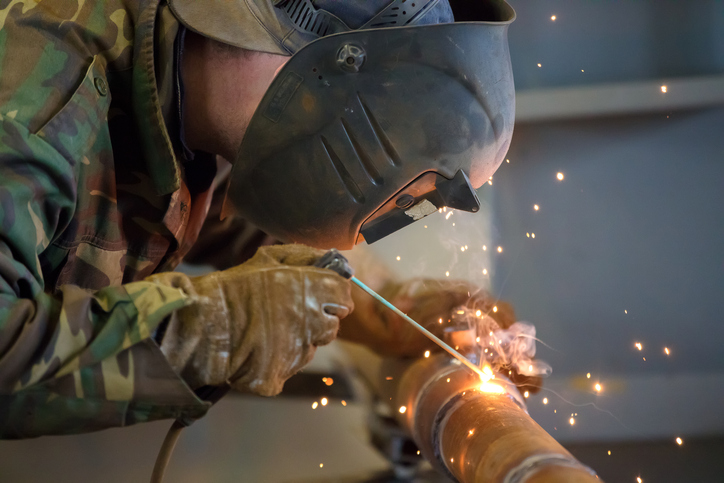
Precision laser cutting is the start of a component’s journey, not the end. As one of the leading steel fabricators in New Jersey, NAMF handles every subsequent step in-house, including forming, welding, painting, and finishing, under the same quality management system.
For parts requiring surface protection, we provide chem film coating (chemical conversion coating) in compliance with MIL-DTL-5541. This treatment improves corrosion resistance and electrical conductivity on aluminum parts and is standard practice for defense applications where long-term environmental performance is required.
Post-cut parts that need structural joining are processed through our aluminum brazing capabilities. Dip brazing creates joints as strong as the parent material, making it ideal for electronics enclosures, heat exchangers, and structural assemblies used in aerospace and defense environments.
Our facility also serves clients who work with custom steel fabricators on larger programs and need a certified partner for laser-cut components and machined assemblies from a single point of contact. For projects that specify EMI shielding on military electronics packages, our enclosure fabrication and finishing services are designed to meet electromagnetic interference protection requirements for sensitive defense systems.
The Right Partner for NJ Precision Laser Cutting
Choosing a precision laser cutting partner in New Jersey is not just about equipment. It is about certifications, capacity, and how well a supplier understands the stakes of the work.
NAMF brings over 45 years of defense and aerospace manufacturing experience. Our Fairfield, NJ and Ronkonkoma, NY facilities give clients operational redundancy. A single point of contact manages the entire project, from the initial RFQ through delivery of a finished, inspected component.
For defense contractors and aerospace engineers who need reliable, certified precision laser cutting in NJ, NAMF is ready to work.
Precision Cutting Is Only the Start
Every mission-critical component begins with a precise cut, but it is finished through a coordinated process involving forming, brazing, machining, coating, and inspection. NAMF handles all of it under one roof, with the certifications to back every step.
When you need precision laser cutting in NJ from a team that understands defense and aerospace requirements at a fundamental level, NAMF delivers. The tolerances are tight. The standards are non-negotiable. And the experience is there.
Ready to Get a Quote?
Tell us about your project and our team will respond with a fast, detailed quote. No back-and-forth with multiple vendors. One contact. One supplier. One delivery.